

Dear patients,
dear colleagues,
dear friends of the NCT Heidelberg,
As we approach the end of 2025, we look back and share with you what has moved us at the NCT Heidelberg over the past 12 months. These things point to the future and represent a wide range of new perspectives.
Regardless of this, our most important perspective at NCT Heidelberg remains our focus on our patients. All of our employees, who are highly qualified and empathetic, are committed to ensuring their well-being. Across all professional groups, they deliver outstanding performance, driven by the conviction that people are at the center of everything we do. We are very grateful for this extraordinary commitment!
Close and constructive cooperation with patient representatives has become an integral part of the NCT Heidelberg. Continuous exchange, greater involvement in care and research issues, and partnership-based cooperation enable many projects to succeed more effectively and generate new ideas. Hearing the perspectives and opinions of patients through active representation is indispensable for the NCT Heidelberg. We would like to thank all patient representatives for their valuable support!
Many applied cancer research projects at the NCT Heidelberg are only possible thanks to donations. We would like to express our heartfelt thanks to all donors who help us to research and implement ever better options for diagnosis, therapy, and care for our patients.
We are delighted that many employees have now been able to move into the new premises at NCT Heidelberg – the expanded laboratory wing and the completed office building. The expansion opens up a wide range of opportunities to successfully expand patient-oriented cutting-edge research and, in particular, early clinical trials. You can see the entire new building complex from the air in this film.
We have compiled the most important news stories from 2025. Below you will find our highlights from the topics “Outstanding Projects,” “Excellent Achievements”, “Winners of Donations Against Cancer 2025”, and “News from One NCT”.
We wish you and your families happy holidays and all the best for 2026!
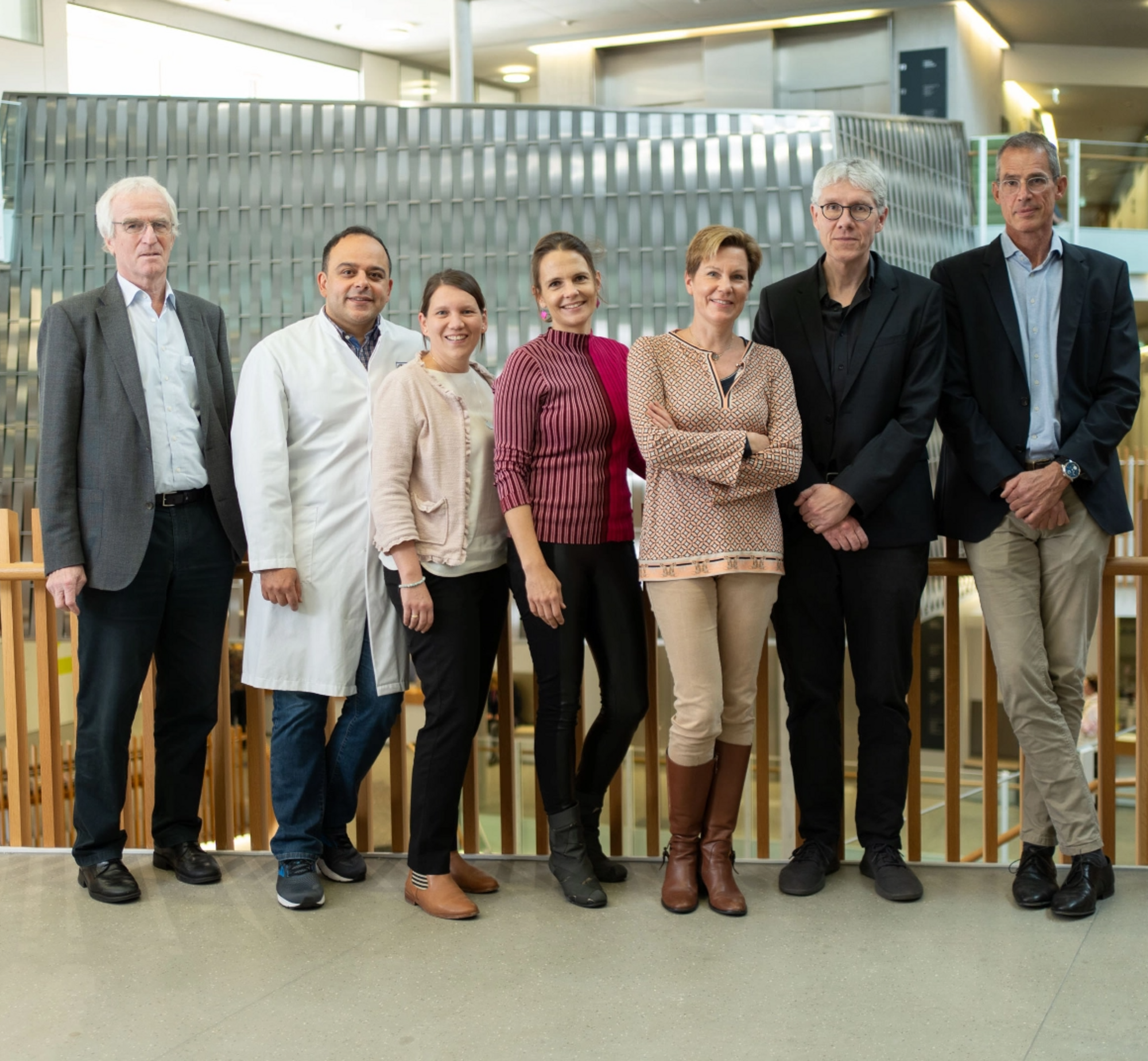
Your Executive Board of NCT Heidelberg

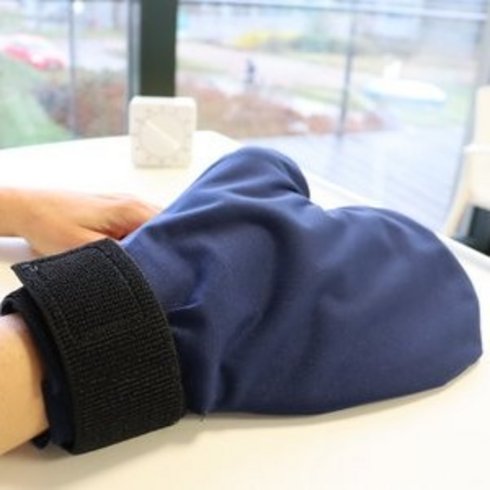
The POLAR study conducted by NCT Heidelberg—funded by the “Donations Against Cancer” program—provides important findings on the prevention of chemotherapy-induced polyneuropathy (CIPN) in breast cancer patients. Cooling or compressing the hands significantly reduced the risk of this nerve damage. The study examined two methods: gel-filled cooling gloves and tight-fitting compression gloves. Both approaches led to a significant reduction in severe CIPN symptoms. Continue reading…
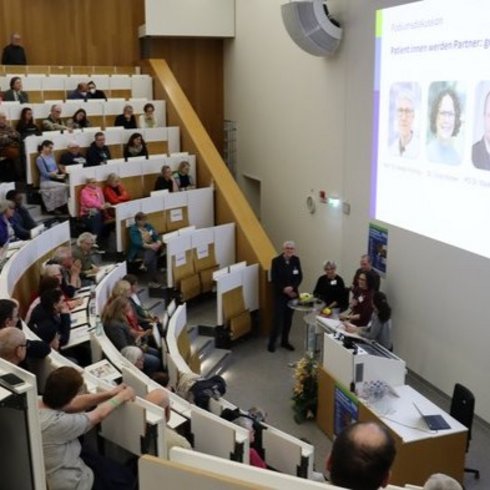
Over 430 patients, relatives, and interested parties took part in the 20th Heidelberg Cancer Patient Day on March 22, 2025—most of them on site, some online. The event offered an extensive program with specialist presentations, a panel discussion, and expert forums on various types of cancer. In addition, participants were able to exchange ideas at over 30 information tables with self-help groups, counseling centers, and cooperation partners. Continue reading…
Metastatic breast cancer requires complex and lengthy treatment, the side effects of which impair patients' quality of life. These often include sexual problems. Researchers at the DKFZ and NCT Heidelberg have now shown in a large international, randomized sports intervention study that women who received a guided training program reported significantly fewer complaints than women who did not participate in training. Continue reading …

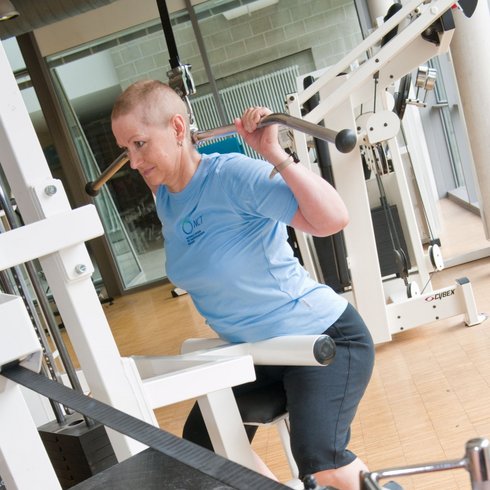
The BENEFIT study at NCT Heidelberg proves that physical training during chemotherapy can improve tumor response in certain types of breast cancer. In hormone receptor-positive breast cancer in particular, tumors shrank more significantly and patients were more likely to complete their therapy as planned. The results underscore the beneficial effects of guided strength or endurance training. Continue reading …
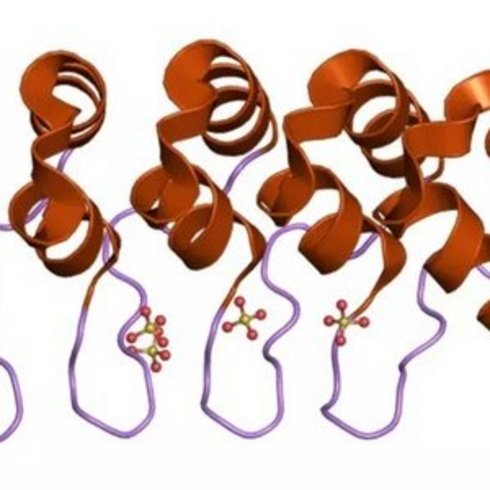
A research team from DKFZ and NCT Heidelberg is using mini-proteins that specifically block a key tumor driver in chordomas. The result: slowed tumor growth in the laboratory and mouse model – with new targets for drugs that are currently approved for other diseases. Continue reading …
With the slogan “Pinktober – Together against breast cancer!”, the NCT Heidelberg, Heidelberg University Hospital, and the Bergstraße Breast Center set an example for education, prevention, and solidarity. In October, information events, campaigns, and highlights such as the MLP Academics game in Pinktober jerseys and the pink-illuminated castle attracted attention. The donations will benefit projects for breast cancer patients. Continue reading …
The new DFG research group “Functional Genomics and Microbiomics in Precision Medicine for Colorectal Cancer” is investigating the interaction between the gut microbiome, tumor-associated genes, and drugs. Researchers at the NCT Heidelberg are working together with researchers from the DKFZ and other partners to translate findings into personalized therapies and clinical trials. Continue reading …
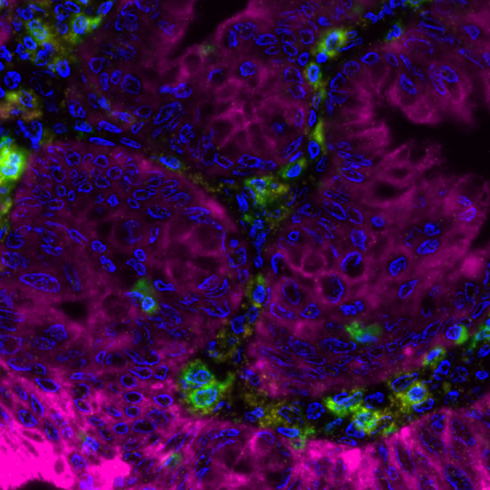
In the PRECISION ImmunoRad project, researchers from Heidelberg, the US, and Cyprus are developing combined approaches involving immunotherapy and precision radiation therapy. The European Research Council (ERC) is funding the project with €14 million, of which €5.5 million will go to Heidelberg. Continue reading …
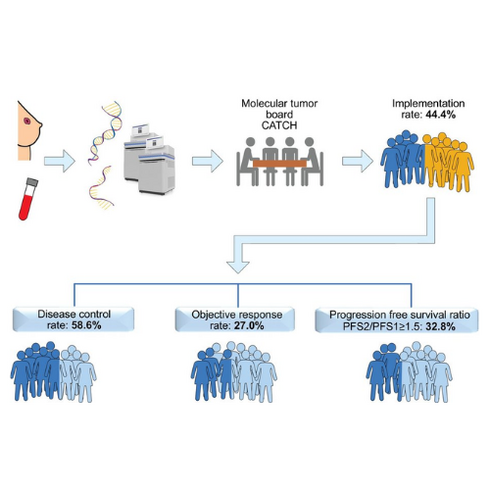
Comprehensive molecular profiling can significantly improve the treatment of patients with metastatic breast cancer. Researchers from the NCT Heidelberg, the DKFZ, the Heidelberg Medical Faculty, and the UKHD have demonstrated in the CATCH study involving over 400 patients that personalized, biomarker-based therapy clearly increases response to treatment and progression-free survival. Continue reading …

The PEF-Adjuvant project at the NCT Heidelberg and the UKHD is being funded by the Joint Federal Committee (G-BA) with one million euros. The project aims to involve patients with malignant melanoma more closely in treatment decisions. Participatory decision-making (PEF) is intended to improve treatment outcomes and increase patient satisfaction. Continue reading …
In November 2025, young leaders and researchers from across Europe gathered for the second in-person workshop of the Cancer Core Europe (CCE) TRYTRAC Advanced Program, a training program for young leaders in translational cancer research. The aim of the workshop was to strengthen collaboration within CCE and discuss current developments in patient-centered cancer research. Continue reading …
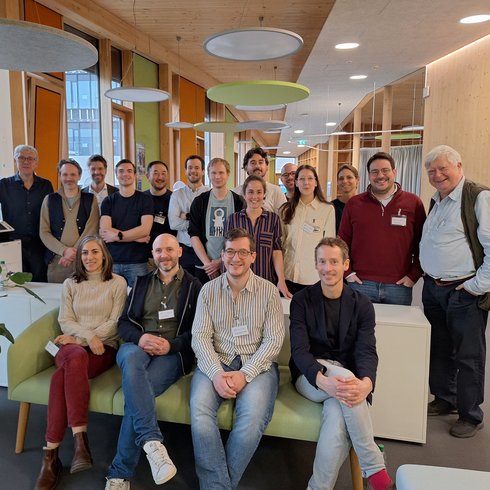
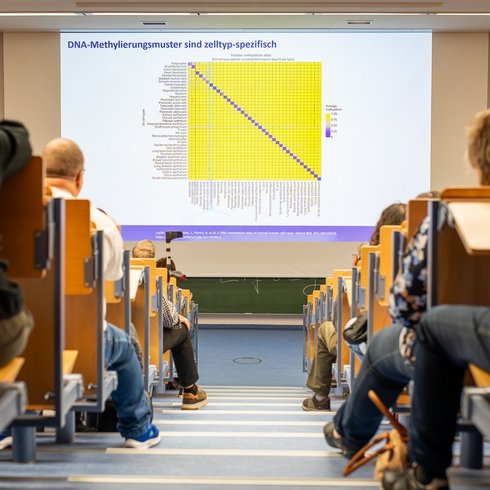
The fourth SarcBOP Saturday once again demonstrated how great the need is for understandable information and direct exchange on the subject of sarcomas. The hybrid event brought together patients, relatives, interested parties, and experts from clinics and research, offering a mix of experience reports, specialist presentations, and discussions. Continue reading …
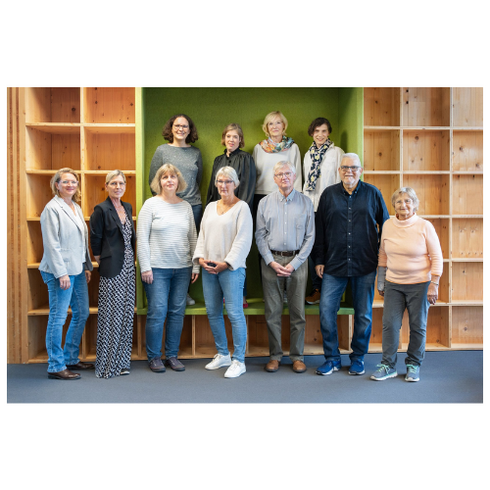
The Patient Advisory Board at NCT Heidelberg is celebrating its 10th anniversary. The volunteer committee represents the perspective of patients in clinical practice, research, and care. Its members serve as contact persons for patients and their families, contribute their experiences to decision-making processes and research projects, and support fundraising campaigns and events such as Cancer Patient Day. Continue reading …

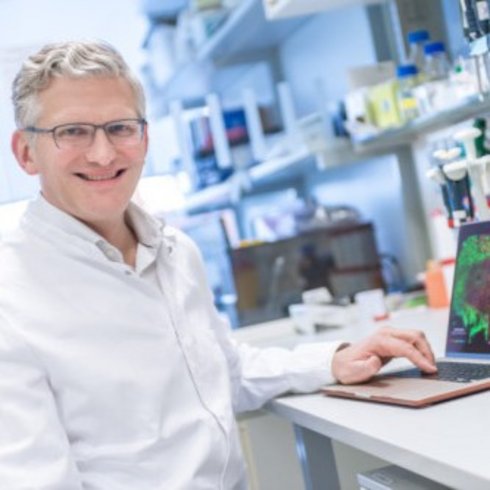
The Brain Prize, the most highly endowed research prize in neuroscience with over one million euros, will go to Frank Winkler in 2025. The Heidelberg neurologist discovered that nerve cells in the brain communicate with brain tumor cells, thereby promoting tumor growth. This finding opens up new therapeutic approaches. Continue reading …
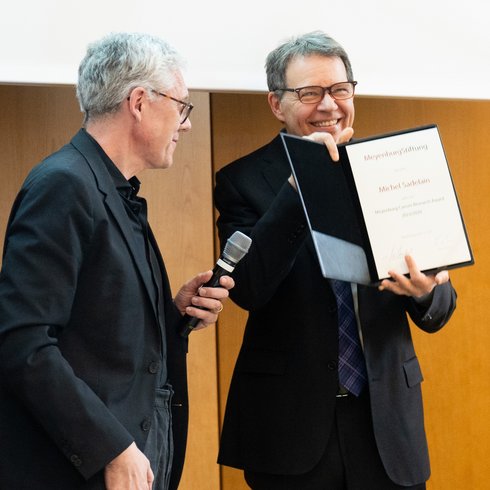
The Meyenburg Prize 2023/24, worth €50,000, was awarded on April 2 to Michel Sadelain from Columbia University, New York. The physician and immunologist is considered one of the fathers of CAR-T cell therapy. This cellular immunotherapy can now be used to effectively treat certain types of blood cancer, even in advanced stages. The award ceremony took place at a festive symposium at the DKFZ, where international scientists presented current approaches to cancer treatment. Continue reading …
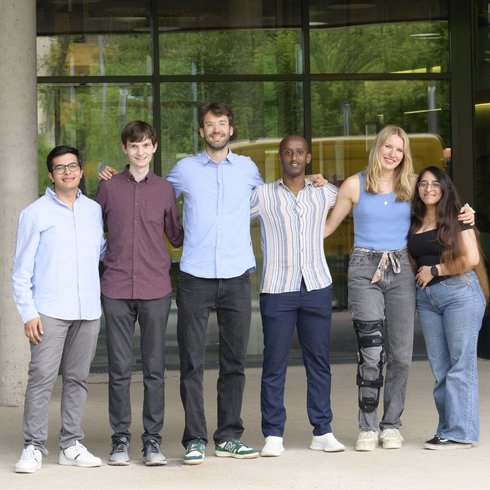
Robin Reschke, dermatological oncologist at NCT Heidelberg, is receiving two grants: an Else Kröner Memorial Scholarship (€250,000) for himself and additional material resources (€300,000) for his Max Eder research group. He and his team are investigating immune-related side effects in patients treated with checkpoint inhibitors. Continue reading …
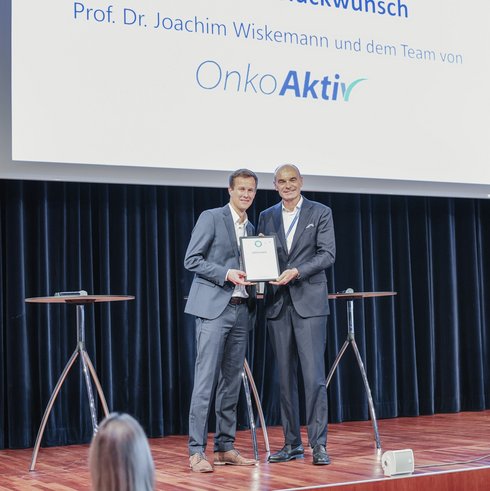
The nationwide OnkoAktiv network, founded at the NCT Heidelberg, was awarded the Baden-Württemberg Cancer Innovation Prize 2025. It was recognized for its pioneering commitment to integrating exercise into oncological therapy, improving the quality of life of cancer patients, and providing local access to quality-assured exercise therapy. Continue reading …
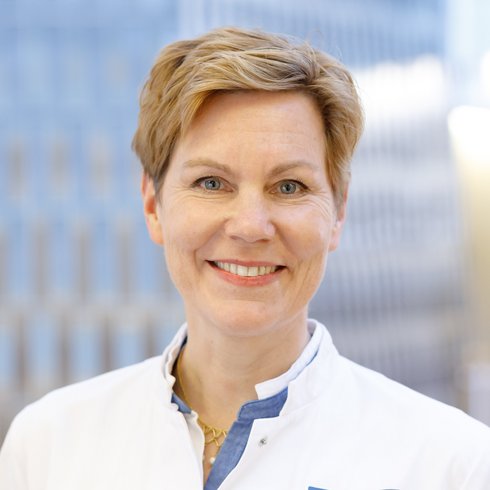
Heidelberg University has opened the interdisciplinary Camilla and Georg Jellinek Center for Ethics to promote interdisciplinary exchange on ethical issues. Eva Winkler, Managing Director at the National Center for Tumor Diseases (NCT) Heidelberg, will serve as founding director alongside Thorsten Moos. Continue reading …
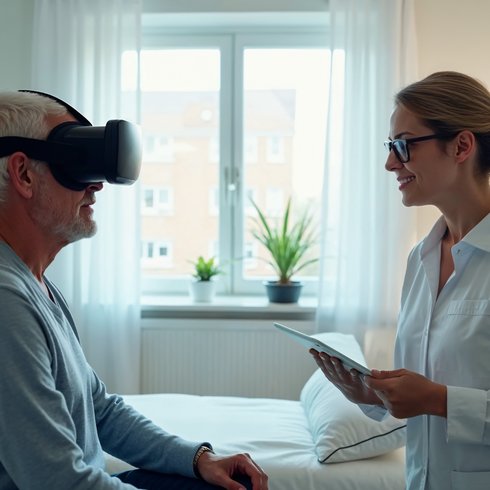
Researchers from the Clinic for Palliative Medicine (UKHD), Heidelberg University, and NCT Heidelberg received the Recognition and Promotion Award for Science in Palliative Care from the German Society for Palliative Medicine (DGP). The award-winning project, “The Virtual Home: Personalized Therapy for Patients in Palliative Oncology Using Virtual Reality (VR),” addresses an important need of seriously ill patients: proximity to familiar places and people. The project was made possible in 2022 by funding from the NCT Heidelberg's Donations Against Cancer program. Continue reading …
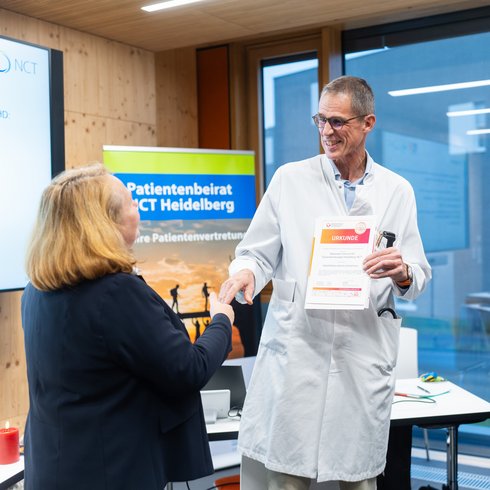
At the end of November, the NCT Heidelberg received the “Self-Help Friendly Hospital” award for the sixth time. The award recognizes the hospital's long-standing commitment to integrating self-help groups into the care of cancer patients and actively incorporating their perspectives into the treatment process. An important cooperation partner is the Heidelberg Self-Help Office, with which the NCT Heidelberg has had an agreement to support cancer patients since 2011. Continue reading …

Every year, project teams at NCT Heidelberg can apply for funding from the “Donations Against Cancer” program. A jury of experts from various disciplines reviews the submitted applications and selects the research projects to be funded with donations. This year, the jury selected four projects from translational research and three from nursing and counseling.
Tracing Chordomas in the Blood: Innovative Single-Cell Analyses of Circulation Tumor Cells to Prevent Metastasis
Dr. Mark Hartmann, Dr. Kwang Seok Lee, Dr. Christoph Heilig
Chordomas are rare, slow-growing but aggressive tumors of the spine and skull base; chordomas often recur and can metastasize. Circulating tumor cells (CTCs) in the blood are of central importance for the development of metastases. However, CTCs have not yet been studied in chordomas.

The project uses a new single-cell technology (scIGMT-seq) that simultaneously analyzes the surface profile (immunotype), genetic (genotype) and epigenetic changes (DNA methylation), and gene activities (transcriptome) of individual cells. The aim is to reliably detect CTCs for the first time and characterize them in detail at the molecular level. In blood samples from patients with advanced disease, potential tumor cells will be identified, collected, and further analyzed using flow cytometry. Flow cytometry detects individual cells in a liquid suspension using a laser beam.
As a proof of concept, the project aims to provide markers for clinical monitoring, therapy adjustment, and earlier relapse detection, thus laying the foundation for further studies and new therapeutic approaches to chordomas. In the long term, this could lead to new treatment options for preventing metastases.
SAFE – Single Cell Analysis of Self-reactive T cells in Immune Checkpoint Therapy
Joscha Kraske, Dr. Thomas Walle
Immunotherapy with immune checkpoint inhibitors has significantly improved the treatment of many types of cancer. However, it can also cause activated immune cells to attack healthy organs such as the liver, lungs, or intestines. Specific “self-reactive” immune cells are thought to be responsible for this. However, it is not yet known how they differ from tumor-reactive immune cells.
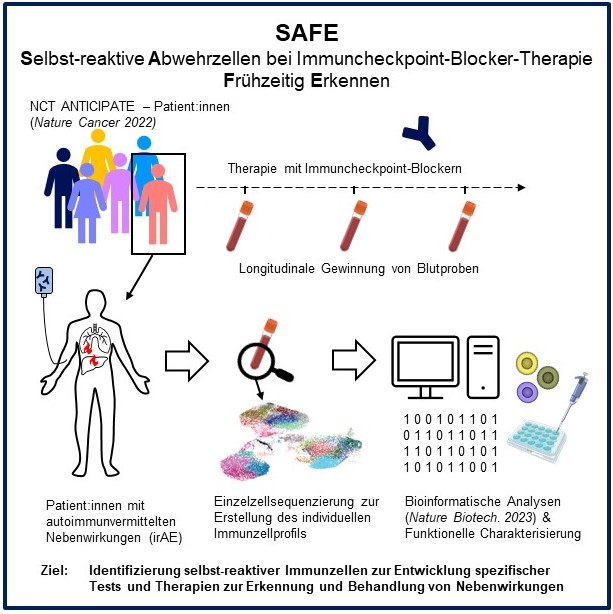
The project uses single-cell sequencing to examine immune cells in the blood of patients receiving immune checkpoint inhibitor therapy. The activity of thousands of cells is read out for each individual patient in order to identify cell groups associated with immune-mediated side effects using modern bioinformatic methods. The function of the identified cells is then examined in more detail in the laboratory. This new biological data is linked individually with clinical data. The aim is to identify patients at increased risk of immune-mediated side effects at an early stage through the development of diagnostic tests and to lay the foundation for new therapies that specifically treat side effects without compromising the success of the therapy.
ESPRESSO = Eligibility Screening of clinical trial Protocols using Retrieval-Enhanced Semantic Searches and Ontologies
Dr. Simon Kreutzfeldt, Dr. Eva Krieghoff-Hennig, Eva Reisinger, Nils Hammer
Clinical trials enable cancer patients to access innovative therapies that go beyond the standard of care. This is particularly relevant for rare tumors, for which there are often few effective treatments. However, finding suitable trials is difficult: inconsistent protocols and inconsistent terminology for cancer types, drugs, and biomarkers lead to incomplete results.

ESPRESSO addresses this problem with an automated, AI-supported annotation method. It analyzes study protocols from study databases, structures and harmonizes information on treatment arms, cancer types, biomarkers, and therapies, and supplements missing data from other publicly available sources. In a pilot study, 30 suitable studies were identified for a patient with a rare tumor disease – conventionally, only one study was found.
The user-friendly database, which is updated daily, is accessible via a web interface and an API interface and can be integrated directly into tumor board software. Thanks to its high degree of automation, the platform enables fast, comprehensive searches for studies on an ongoing basis, improves patient care, and supports recruitment for clinical study centers in the One NCT.
Targeting Tumor Cells – Preserving Immune Cells: Developing Immuno-Compatible Radiotherapy to Advance Interdisciplinary Treatment Strategies for Patients with Head and Neck Cancer
Dr. Philipp Schröter, Dr. Florian Stritzke, PD Dr. Thomas Held, PD Dr. Tilmann Bochtler
New studies show that immunotherapy can be combined with surgery and radio(chemo)therapy in advanced head and neck cancer. While immunotherapy strengthens immune cells in the fight against tumor cells, radiation can weaken the immune system.

Until now, extensive prophylactic neck radiation after surgery has been the standard treatment for removing the smallest tumor remnants. However, it also affects many immune cells and lymphatic vessels, and its effects on the immune system have not yet been sufficiently studied. A precise understanding of the effects of radiation on the immune system is therefore necessary in order to optimize the therapy.
In the pilot project, patients with operable head and neck cancer are accompanied through all stages of therapy, and a “fingerprint” of the immune cells important for tumor defense is created from tumor, lymph node, and blood samples using T-cell receptor sequencing. This allows the identification of immune responses that arise during immunotherapy, decline during radiation therapy, or circulate in the blood afterwards.
The goal is more targeted radiation therapy that spares immune cells, strengthens sustained immune responses, and, in combination with immunotherapy, better combats head and neck cancer.
SDM Competent: Shared Decision Making and Patient-Centered Communication Skills in Oncology
Prof. Dr. Christiane Bieber, Dr. Cindy Körner
Today, numerous treatment options are available in oncology, such as immunotherapy, targeted therapies, chemotherapy, surgery, and radiation. Treatment decisions are complex and involve different risks and benefits. For years, guidelines have recommended shared decision making (SDM) between patients and physicians in order to take individual wishes, life circumstances, and values into account.
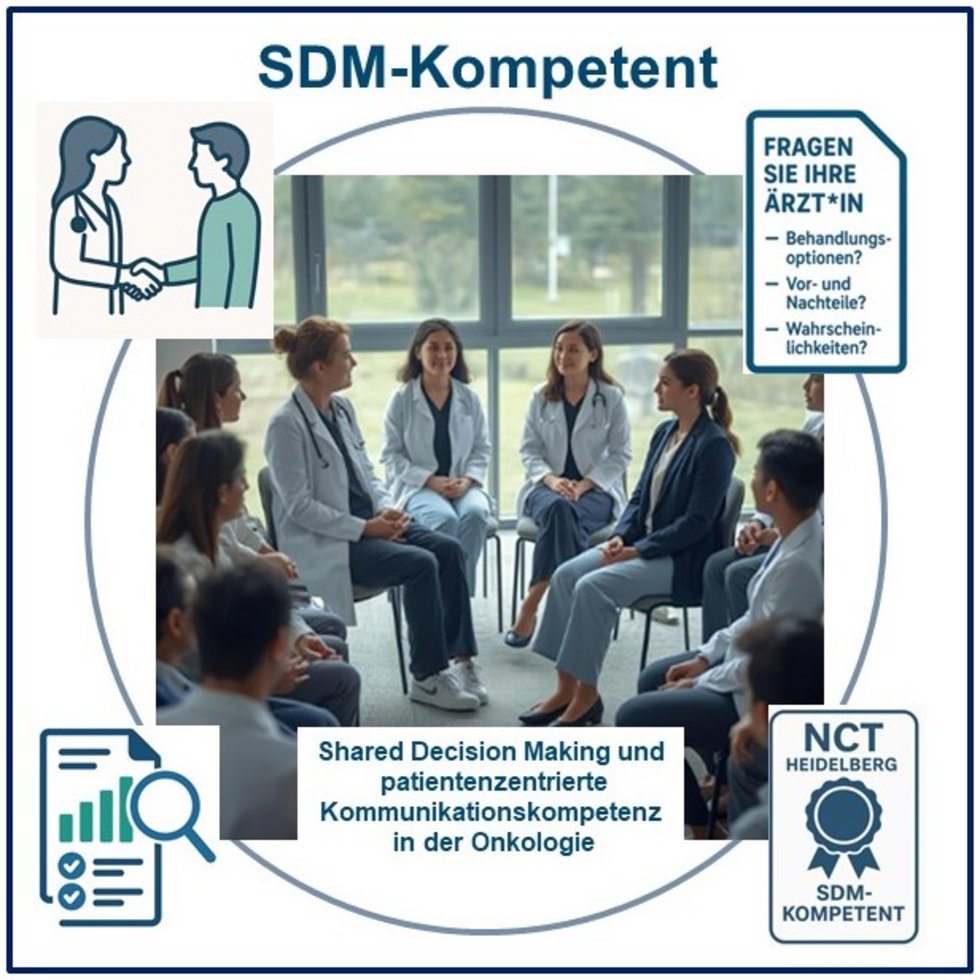
However, SDM is still rarely used in everyday clinical practice, at least in the experience of patients. Many physicians are open to the idea, but without specific training, implementation is rarely successful. Specific communication skills are crucial, such as actively incorporating the patient's perspective, dealing with uncertainties, weighing risks and benefits, and handling emotionally stressful situations.
The project aims to teach SDM skills to oncologists through communication training, including patient input, knowledge transfer, group discussions, reflection tasks, example videos, role-playing, video feedback, and practical exercises. The concept is based on approaches developed and tested with the patient advisory board at the NCT Heidelberg.
Facing Radiotherapy with Courage and Confidence: Child-friendly Information for Young Patients
PD Dr. Semi Harrabi, Dr. Maximilian Deng
Radiation therapy can be particularly frightening for children: unfamiliar equipment, large rooms, unknown procedures, and the need to lie still often lead to anxiety and overwhelm. This often makes anesthesia necessary.
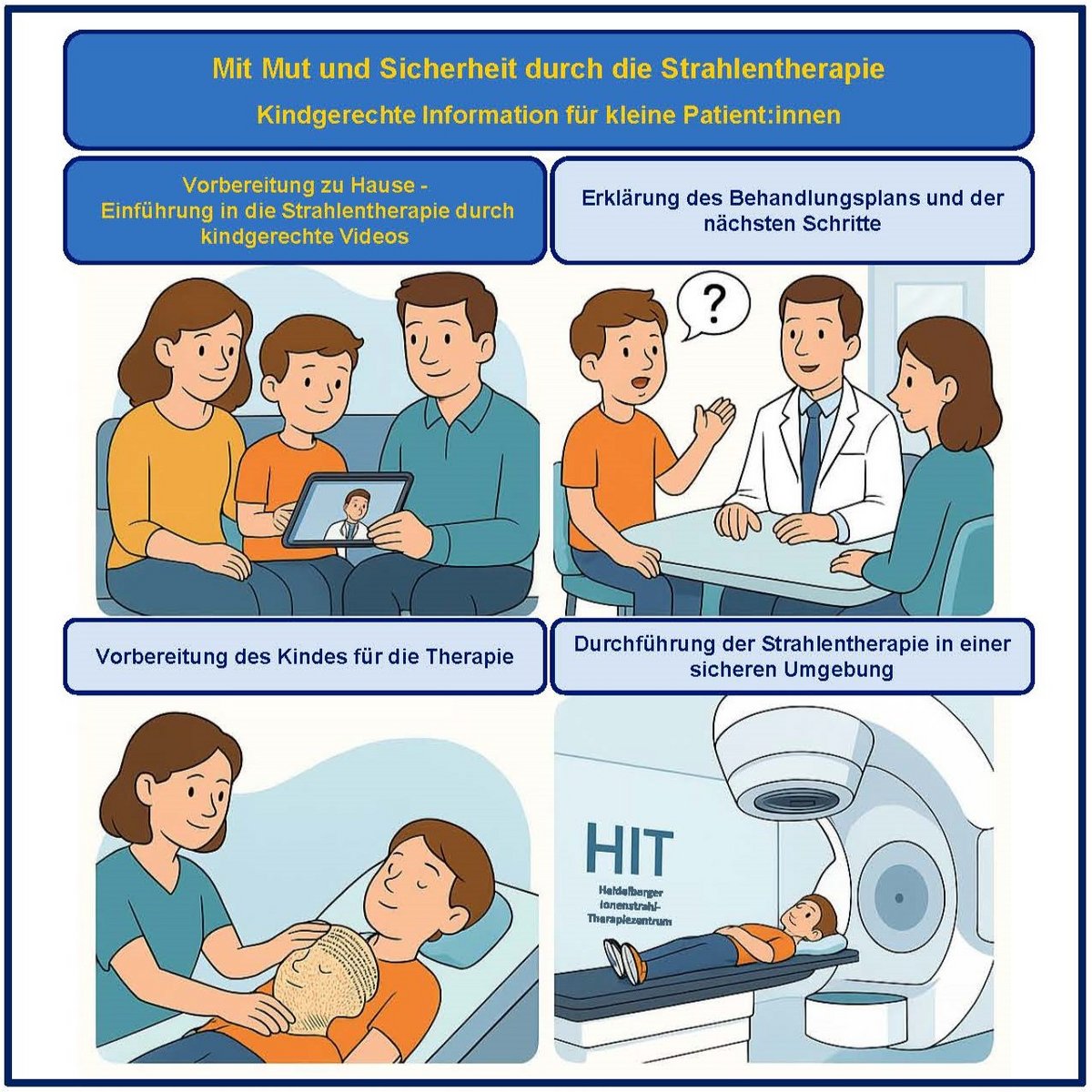
At the Heidelberg Ion Therapy Center (HIT), child-friendly informational videos are being created in collaboration with child psychologists and parent representatives. They explain the treatment process step by step—from the initial consultation to the planning CT scan and the creation of the individual mask to the radiation treatment at HIT. Clear language, vivid images, animations, and real footage provide children with guidance and reassurance.
The videos build trust, encourage children, and show that a team of doctors, nurses, physicists, and therapists is there to support them. Parents can watch the films together with their children to better understand the steps involved in the therapy. The project helps to reduce fears, lower the number of anesthesias, facilitate the treatment process, and provide lasting guidance for children and families.
From Paper to Tablet: Broad Implementation of a Digital Distress Screening at NCT Heidelberg
Dr. Till Johannes Bugaj, Dr. Miriam Grapp, Anne-Kathrin Müller
International professional associations recommend distress screening, a standardized procedure for assessing stress such as anxiety, depression, social concerns, or physical symptoms, as an integral part of oncological care. It enables patients to be referred to appropriate support services at an early stage. In practice, screening is often paper-based. As a result, results do not always reach the treatment teams quickly and can easily be overlooked.

In 2013, the NCT Heidelberg introduced a digital screening system that serves as a model for the rest of Germany. Until now, its use has been limited to the NCT building. In 2024, a successful pilot project with tablet-based screening was launched at the Breast Center. Expansion to other organ centers is therefore feasible.
The aim of the project is to introduce digital screening in all organ centers. Results are immediately available to the treatment teams in digital form, so that patients with a high need for support can be referred to psycho-oncology, social services, nutritional counseling, exercise, and other services. At the same time, a valuable database is created for research, quality assurance, and future innovations.

On the right track
In 2025, the joint work at One NCT was clearly dominated by the overarching goal of further shaping all six NCT locations into a closely networked, efficient unit. The diverse, highly frequented formats, the lively exchange, and the increasingly intensive work contribute to advancing early clinical trials in Germany and show that One NCT is on the right track. NCT Heidelberg plays a particularly active role in this: patient representatives, physicians, and researchers are involved in numerous projects and strengthen the overall project with their knowledge and experience.
Study portfolio grows
The main task of One NCT is to conduct innovative clinical translational and internationally competitive research aimed at significantly improving diagnostics, treatment outcomes, and quality of life for cancer patients. The most important element in achieving this goal is the innovative studies of the Overarching Clinical Translational Trial (OCT2) program. NCT Heidelberg has now received funding recommendations for two studies in the OCT2 program: RATIONALE and STAR-VACC. RATIONALE is investigating the benefits of treatment guided by comprehensive genome and transcriptome analysis for patients with advanced rare cancers. STAR-VACC evaluates the clinical efficacy of a specific vaccine as an adjunct to standard therapy consisting of resection and radiochemotherapy in patients with newly diagnosed astrocytomas – incurable primary brain tumors in young adults. All six NCT sites are involved in RATIONALE and STAR-VACC. In addition to the studies it has initiated itself, the NCT Heidelberg is the trial center for six further OCT2 studies. The NCT Heidelberg is also significantly involved in seven bridge studies – approximately 60 percent of the patients participating in bridge studies in One NCT have been enrolled by the NCT Heidelberg to date.
The Trial Concept Board (TCB) of the NCT Clinical Trial Center at NCT Heidelberg plays an important role in the growing study portfolio of NCT Heidelberg. Its goal is to further develop the submitted synopses in an interdisciplinary exchange so that they meet the content and formal requirements of the OCT2 program. In addition to the trial management team at the CTC of the NCT Heidelberg, patient representatives also participate in the TCB. Their participation ensures that the study synopses are both medically and scientifically sound and patient-oriented from the conception phase onwards.
Focus on young researchers
Researchers and physicians from NCT Heidelberg have successfully applied for funding to promote young talent at One NCT. The NCT Masterclass in Eisenach, which will be offered for the first time in January 2026, aims to strengthen skills in the development and implementation of innovative, patient-centered clinical-translational oncology studies. The course promotes collaboration and exchange between participants from all NCT locations, the German Consortium for Translational Cancer Research (DKTK), and the network of Comprehensive Cancer Centers outside One NCT. Maximilian Scheer, Neurosurgery Clinic, Heidelberg University Hospital (UKHD), and Joscha Kraske, Clinic for Medical Oncology, UKHD, and Applied Tumor Immunity, German Cancer Research Center, have been nominated for the NCT Masterclass by NCT Heidelberg. During an intensive week, the young professionals will work closely with leading clinical experts. The program includes personalized feedback on their own clinical study concepts, workshops on study design, feasibility, and patient participation, as well as opportunities for structured mentoring and nationwide networking.
- Leonie Kram, Department of Neurosurgery, UKHD: Better protection of speech functions in pediatric brain tumor surgery
- Maximilian Schönung, Department of Translational Medical Oncology, DKFZ: Epigenetic markers for leukemia diagnostics
- Enise Ceran, Department of Neurosurgery, UKHD: Better prevention of relapses in AML
- Felix Englert, Department of Radiation Oncology and Radiotherapy, UKHD: New perspectives in radiation therapy for pancreatic cancer
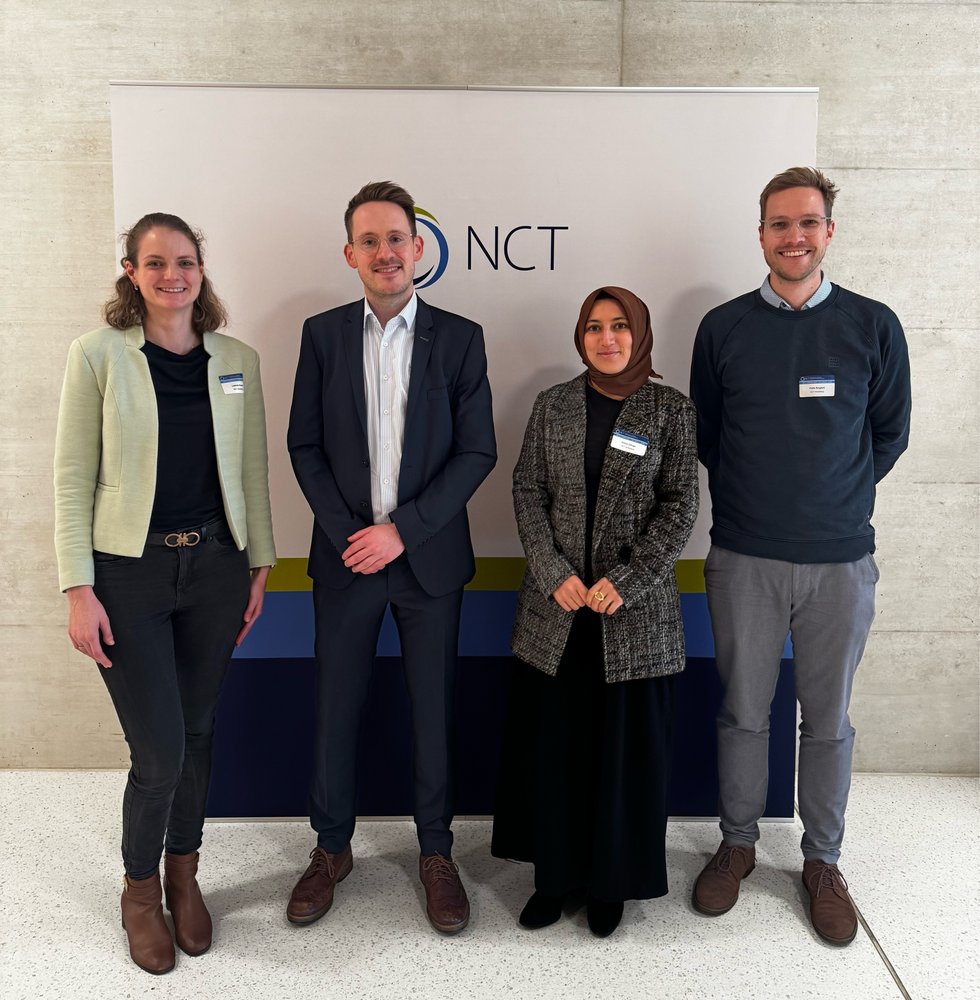
All four fellows used the NCT Community Retreat as a valuable opportunity to present their study ideas in workshops on Priority Disease Areas (PDA) and Priority Research Themes (PRT) and to exchange ideas with experienced researchers and clinicians about career paths, professional development, and future opportunities.
Valuable insights from community retreat
The second NCT Community Retreat took place in November 2025 at the Heidelberg Congress Center with almost 500 participants. The focus was on interdisciplinary and innovative cancer research and a joint look at oncological IITs. Equally important was the personal networking between the sites and the DKFZ, as well as the exchange of information on current developments in the NCT and beyond. The German Consortium for Translational Cancer Research (DKTK) also participated for the first time with its own session. The PDA/PRT workshops were a central element of the NCT Community Retreat, featuring many new ideas and fruitful discussions. At the same time, individual consultations on the implementation of early clinical trials were offered, and the core facilities showcased their capabilities in the poster session.
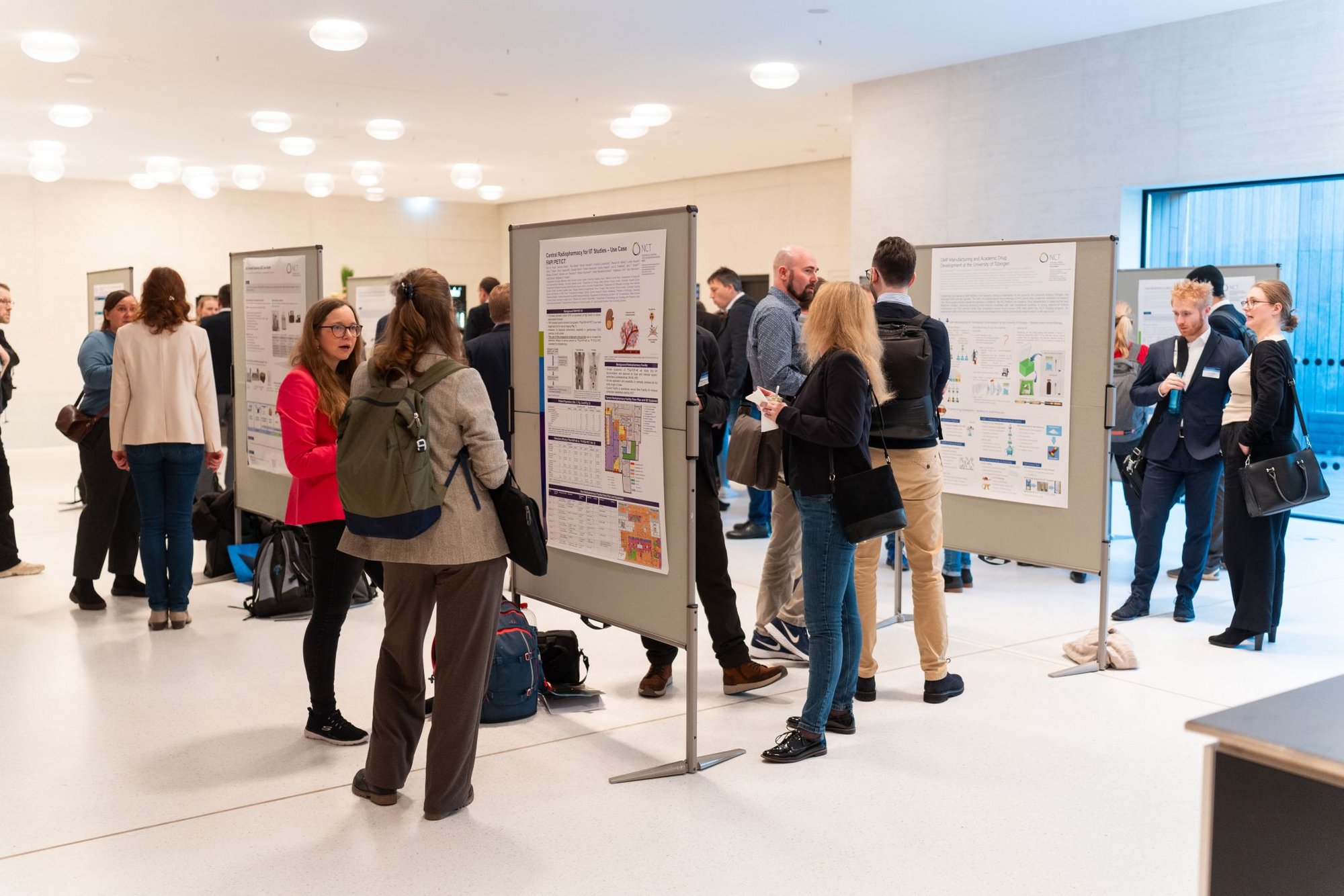
Thematic tables discussed topics such as the handling of biosamples and large language models in regulatory processes. The concluding keynote lecture was given by Tom Powles, University of London and Barts Cancer Centre, on the topic of “A New Dawn in Muscle-Invasive Bladder Cancer.”
This year, the NCT awarded ten Early Career Development Grants to support the participation of young scientists from the NCT locations and the DKFZ in the NCT Community Retreat. Paula Hoffmeister-Wittmann and Karsten Warwas, both from the Department of Medical Oncology, UKHD, received one of these grants from the NCT Heidelberg.
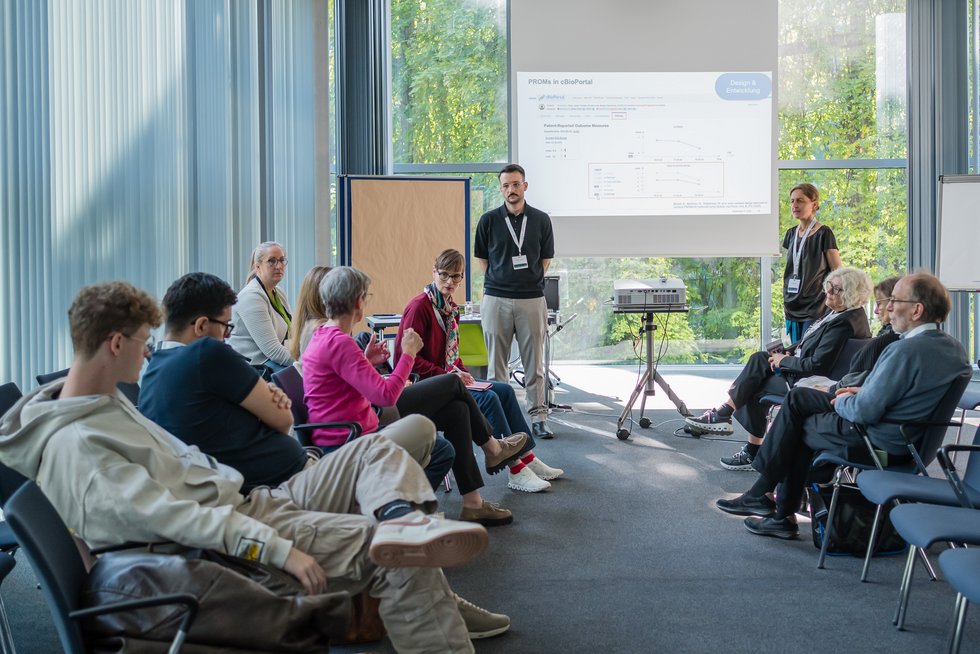
More than 200 patients, researchers, and physicians registered for the 4th National Conference “Patients as Partners in Cancer Research” in Berlin at the end of September 2025. The meeting provided a forum for exchange and joint learning, conveying the message that patient participation is no longer a distant vision, but an integral part of modern cancer research. The conference focused on artificial intelligence in oncology. In addition to practical issues, topics such as drug testing on organoids and prevention with a focus on exercise, healthy lifestyles, and new findings in cell biology were discussed.
In addition to practical issues, topics such as drug testing on organoids and prevention with a focus on exercise, healthy lifestyles, and new findings in cell biology were discussed.
In October 2025, the online information seminar “Patient participation in research at the NCT – How do we approach it?” took place. It was aimed in particular at researchers from all NCT locations and the DKFZ. The seminar explained the fundamental importance and role of patient participation in clinical trials. It also answered practical questions, such as how to find suitable patient representatives to participate in clinical trials, how their financial compensation works, and how to calculate the budget for patient participation. In addition, clinical trials that have already been successfully launched were presented from the perspective of patient participation.
The NCT Heidelberg Patient Research Council continued to promote the topic of “patient participation in research” last year with a wide range of activities. These included a panel discussion at the Heidelberg Cancer Patient Day with patients, clinicians, and researchers. In addition, the Patient Research Council has been heavily involved in various information formats for researchers and clinicians. For example, its members gave presentations at the NCT Heidelberg's interdisciplinary training courses, as part of the Clinical Trial Curriculum, and to the recipients of the NCT Heidelberg's Clinical Translational Research Placement Fellowship. The NCT Heidelberg Patient Research Council has also been involved in international work within the framework of Cancer Core Europe (CCE): its spokesperson, Cindy Körner, gave a presentation during the visit of the TRYTRAC program fellows to Heidelberg and organized a workshop at the CCE Summer School in Translational Cancer Research 2025. The CCE Summer School is aimed at committed young scientists and clinicians from all over Europe and beyond. Last but not least, Cindy Körner and Julien Frick were actively involved in the “Gustave Roussy and Friends Invite” event on December 3, 2025, in Villejuif/Paris.