


CCE Annual Meeting 2026: Strong presence from NCT Heidelberg, Robin Reschke honoured
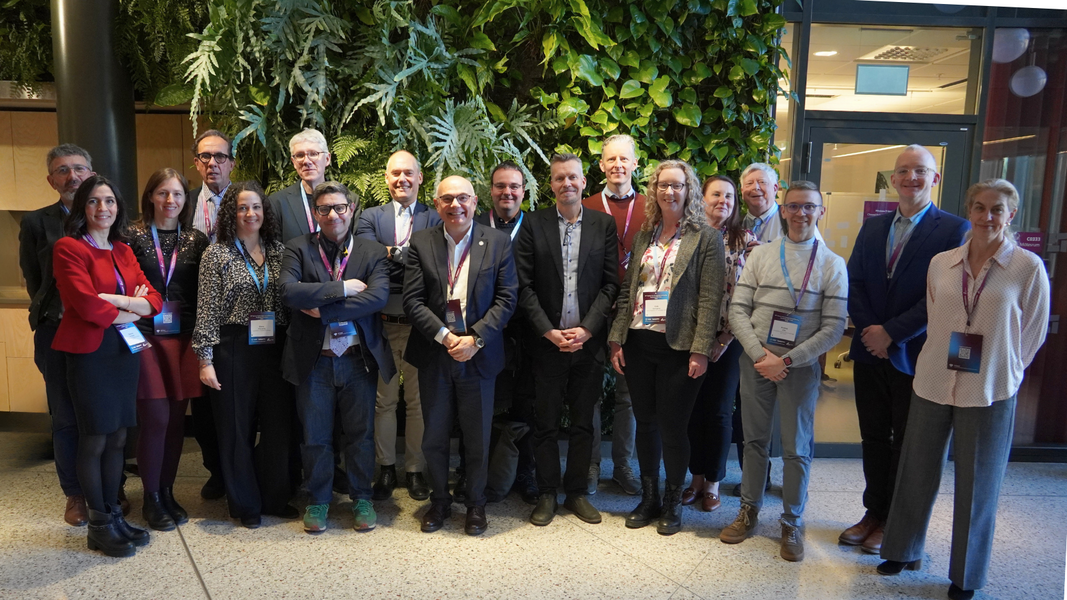
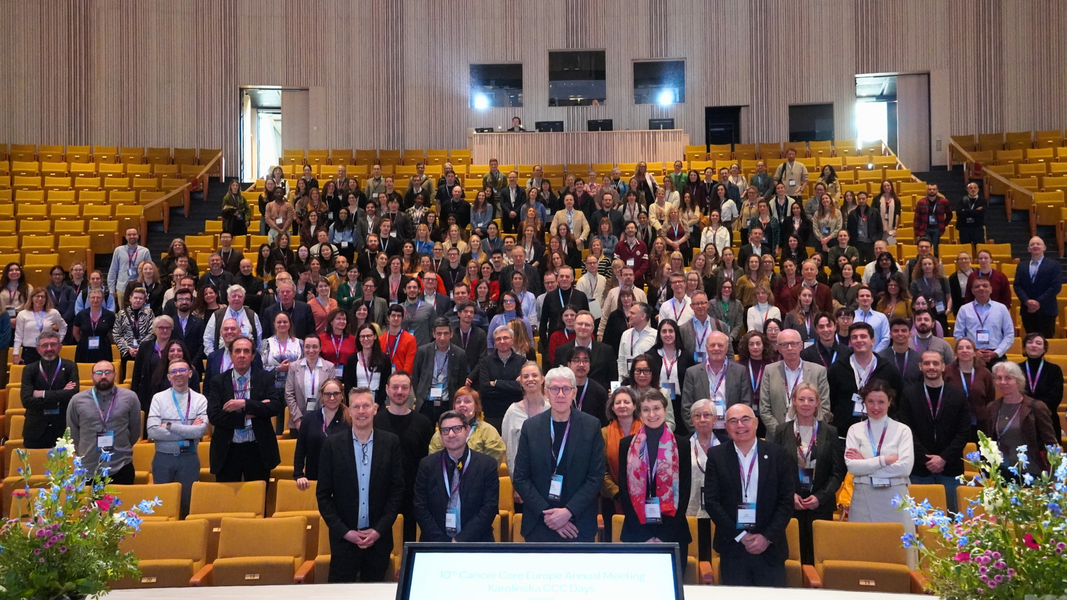
The Cancer Core Europe (CCE) Annual Meeting brought together researchers, clinicians, patient representatives and other participants from the seven CCE centres at the Karolinska Institutet in Stockholm on 23 and 24 March 2026. They discussed current developments in cancer prevention, diagnostics, therapy and translational research, thereby strengthening European collaboration.
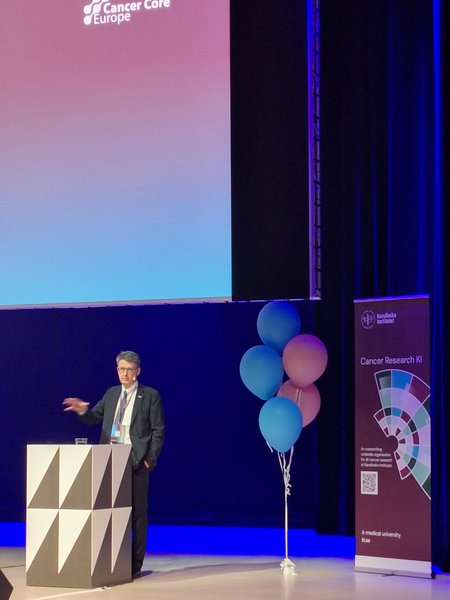
The scientific programme focused on new findings and approaches from key areas of oncology. Michael Baumann, President of the German Cancer Research Centre (DKFZ), contributed perspectives on the further development of cancer research within a European context.
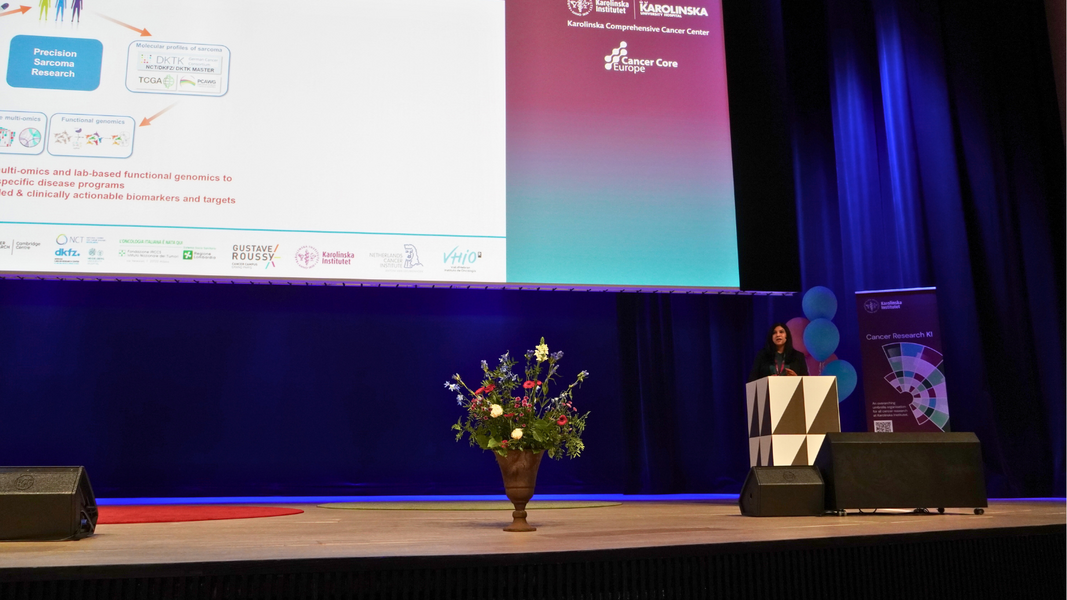
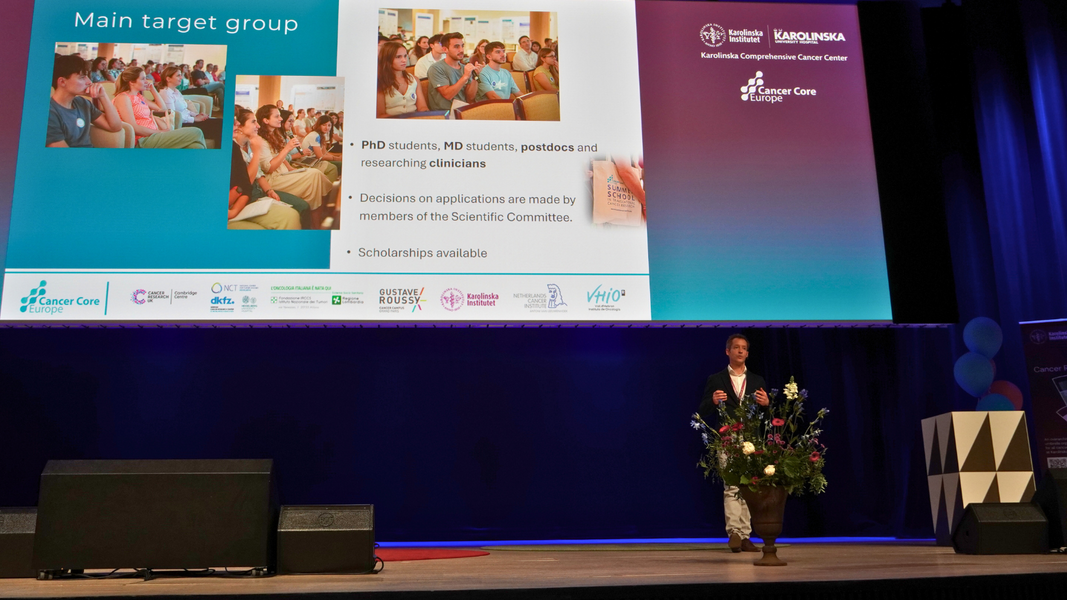
The NCT Heidelberg and DKFZ were represented in the programme with three further contributions: Priya Chudasama presented the CCE programme TRYTRAC, which connects and supports young clinical and translational leaders. Bruno Köhler presented the CCE Summer School, an interdisciplinary training programme for early-career researchers and clinicians in oncology. Both contributions demonstrate the NCT Heidelberg’s commitment to supporting early-career researchers within a European context. Pierre Delpy, Marlena Meyer and Manoj Waikar provided insights into the CCE’s virtual data centre.
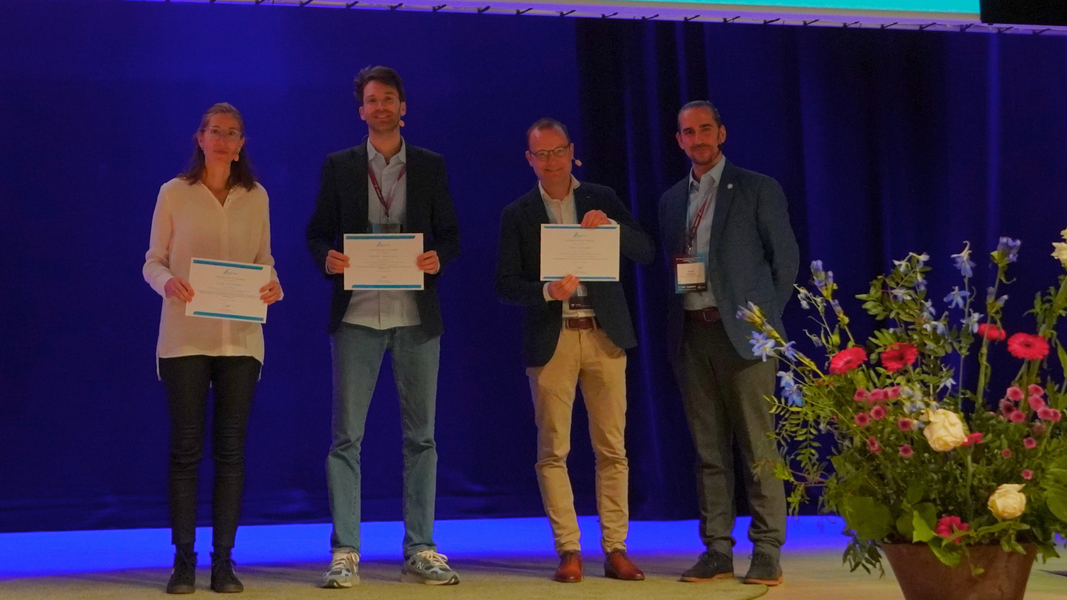
A particular success for the Heidelberg site was the presentation of the inaugural CCE Early-Career Investigator Award to Robin Reschke, Max Eder Junior Research Group Leader at Heidelberg University’s Faculty of Medicine and a dermatoncologist at the Department of Dermatology and the NCT Heidelberg. The prize recognises outstanding early-career researchers in clinical and translational cancer research within the CCE centres and honours, in particular, scientific excellence, innovative strength and the potential for cross-site collaboration. This year, three researchers from the network were selected.
Robin Reschke was honoured for his work as part of the multicentre, translation-oriented proteomics study PREDICT, which he leads together with Jessica Hassel, Head of the Dermato-Oncology Section, and conducts in collaboration with partners such as Gustave Roussy and the Netherlands Cancer Institute. The aim of the study is to use blood samples to identify patterns of proteins that provide early indications of whether patients undergoing immunotherapy are at increased risk of severe side effects. Furthermore, the link between proteins in the blood and response to therapy is to be investigated in greater detail. The results could help to better tailor treatments to individual patients in future: risks could be identified earlier and therapies adjusted accordingly. This could reduce side effects whilst at the same time making more targeted use of the efficacy of modern immunotherapies.
The programme was complemented by a poster session featuring around 45 presentations, which offered a broad insight into current research projects and promoted direct scientific exchange. Another key focus was the discussion of European synergies in oncology by representatives of key European consortia and the European Commission.
The next CCE Annual Meeting will take place on 12 and 13 April 2027 in Heidelberg.
Further insights into this year’s meeting can be found here: https://www.cancercoreeurope.eu/cancer-core-europe-meeting-2026-karolinska.