


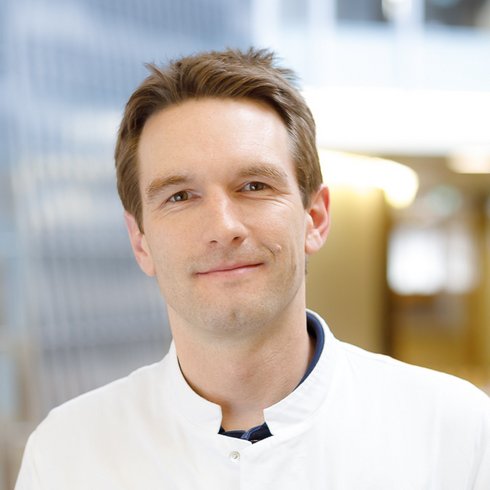
Prof. Dr. Georg Martin Haag
Clinic for Medical Oncology
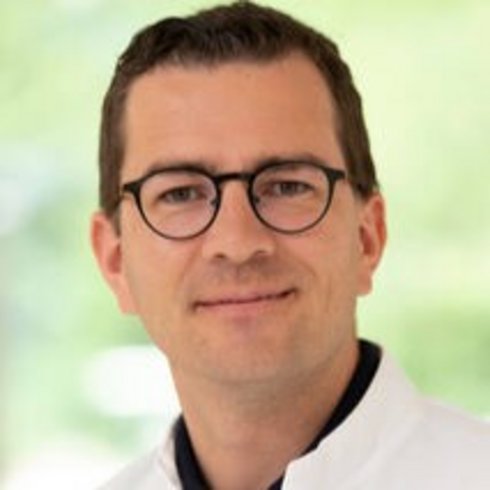
Prof. Dr. Henrik Nienhüser
Clinical for General, Visceral and Transplantation Surgery
Appointment requests for patients
Patient Center NCT Heidelberg
Phone: +49 6221 56-5924
Fax: +49 6221 56-4757
E-mail: nct.patientenzentrum@med.uni-heidelberg.de
General questions
Appointments can be made via phone call or e-mail. For appointments, we need your personal details, information about your disease and, if applicable, also information on previous examinations and treatment. Based on this data, we will offer you an appointment for the respective consultation session as soon as possible.
If you come to the NCT Heidelberg for your first appointment, we ask you to bring all previous examination results in copy, for example pathological findings and all imaging on CD, as well as a referral letter (to: "Universitätsklinikum Heidelberg, NCT"). If you are currently on medication, we ask you to also bring this medication and/or write down the exact type of medication and your individual dose.
General information
In Germany, approximately 23,000 patients are diagnosed with esophageal carcinoma or carcinoma of the stomach every year. Due to lack of early symptoms, a great majority of these diseases is discovered at an advanced stage.
Tumors of the esophagus are differentiated as squamous cell carcinoma, which is usually located in the upper two thirds of the esophagus, and adenocarcinoma, which arises in the lower third of the esophagus or at its junction to the stomach (gastroesophageal junction). Risk factors for esophageal cancer include alcohol consumption and smoking, possibly with concomitant nutritional deficits, especially vitamin deficiencies. Reflux disease plays an important role in tumors of the gastroesophageal junction.
Besides nutrition factors (low fruit and vegetable consumption, excessive consumption of cured and smoked foods), smoking, and excessive alcohol consumption, the bacterium Helicobacter pylori is known to be a mediator of secondary inflammation with secondary malignant transformation into stomach cancer. At a localized stage, surgical excision of the esophagus/stomach is the treatment of choice. At a locally advanced stage, a neoadjuvant (preoperative) chemotherapy/radiation therapy (irradiation and chemotherapy) is recommended. If surgery cannot be performed due to the extent of the tumor or because of accompanying diseases, for example, of the heart or lungs, then definitive radiochemotherapy (concurrent irradiation and chemotherapy) of the tumor is performed.
In metastastic disease, i. e., when metastasis to distant lymph nodes or organs has already occurred, the therapy of choice consists of tumor-specific system therapy. In addition to classical chemotherapy, immunotherapy or targeted therapy are increasingly used.
Treatment at the NCT
When patients with a newly diagnosed tumor of the esophagus or stomach present to our department, depending on which tests have already been done, further diagnostic examinations such as gastroscopy and/or endosonography (endoscopic ultrasound), CT examination, or bronchoscopy are performed and an assessment of accompanying diseases of the cardiac and circulatory system is made. Subsequently the findings are discussed in the interdisciplinary tumor board meeting by the medical oncology, gastroenterology, visceral surgery, radiation therapy, and radiology departments and, where appropriate, also with specialists from other disciplines; and a treatment recommendation is made. Further treatment then takes place in the different departments at Heidelberg University Hospital. If tumor-specific drug therapy is required, this is carried out in the NCT day care unit. The department also has a ward in which patients are monitored after having undergone endoscopic procedures, for example. In addition to those patients with a newly diagnosed disease, patients already being treated somewhere else can present themselves to our outpatient clinic for a second opinion.
Current clinical trials
Numerous studies on a wide range of tumor types and tumor stages are offered by the involved specialist disciplines. Several clinical studies are ongoing and open to participation in phases I/II/III at the Department of Medical Oncology at NCT for patients with esophageal and stomach cancer both in localized stages (as so-called perioperative treatment) and in metastatic disease.
Consultation sessions
Special consultation sessions are held several times a week in the Department of Medical Oncology at NCT for patients with tumors of the upper gastrointestinal tract (tumors of the esophagus and stomach). Where the findings indicate it is appropriate, referral is made to the colleagues in the Department of Radiation Oncology and Radiation Therapy or the Department of General, Visceral and Transplantation Surgery. In addition, dieticians, psycho-oncologists and colleagues from social services provide comprehensive support in coming to terms with the tumor diagnosis.